air conditioning service Burbank
<!DOCTYPE html>
Burbank Cooling Strategies for the Next Heatwave
Burbank Cooling Strategies for the Next Heatwave
San Fernando Valley heat arrives fast and stays long. Burbank homes and studios face long run hours, high attic temperatures, and overworked compressors. A system that coasts through May can fail in July. The difference is preparation and the right engineering choices. Green Planet Heating and Air applies local data, careful diagnostics, and brand experience to keep cooling stable when the mercury climbs.
This article focuses on air conditioning service Burbank clients use before and during peak heat. It explains what fails, why it fails in the Valley, and how to prevent it. It uses clear terms and real tools, the same ones used daily by NATE-certified and EPA 608 technicians in Burbank, CA. The goal is simple. Keep the home cool, control the bill, and avoid emergency calls during a 105°F week.
Why Burbank heat punishes air conditioners
Burbank is different from coastal Los Angeles. The San Fernando Valley traps heat. Afternoon dry air spikes condenser head pressure. Attics in Magnolia Park and Rancho District can exceed 140°F. Many homes on tree-lined streets use older ductwork with high static pressure. Some have limited soffit venting. These factors raise the load on the compressor and blower motor.
Media District buildings and workspace near Warner Bros. Studios often run long hours with internal gains from lighting and electronics. Downtown Burbank apartments see dense occupancy and frequent thermostat changes. The Burbank Hills bring elevation and sun exposure that heat roofs and walls. On the Toluca Lake side, vintage construction blends plaster walls with shallow returns and compact air handlers. Each setting stresses air conditioning in a specific way.
High outdoor dry bulb temperatures strain the condenser coil. Poor attic ventilation raises return air temperature. Leaky ductwork in crawl spaces picks up radiant heat from the slab. Resulting symptoms include short cycling, weak airflow, and uneven cooling between rooms. If the system is oversized, humidity control falls and rooms feel clammy even when the thermostat reads setpoint. If undersized, the unit runs non-stop and still cannot pull down during late afternoons, especially near Stough Canyon trailheads where sun exposure is direct.
The failure patterns seen every heatwave
Across HVAC Burbank calls, the same groups of failures repeat. Some start small and grow into full shutdown during a spike. A clogged air filter limits airflow and drops evaporator coil temperature. Ice forms. The coil freezes. Suction pressure falls, and the compressor overheats after the thaw. Refrigerant leaks take longer to show, but a low charge causes poor heat transfer and short cycling. Faulty capacitors lead to hard starts or no starts, especially after a brief power outage near Hollywood Burbank Airport.
On maintenance calls, technicians find dirty condenser coils with matted lint and dust drawn from alleyways or garages. They find weak blower motors in older air handlers. They see high external static pressure due to undersized return ducts. They catch cracked insulation on linesets exposed behind studios along Riverside Drive. Each factor reduces capacity when the outdoor unit needs the most help.
During peak heat, small mistakes get costly. A thermostat mounted on a sunlit wall in a Burbank Hills living room reads 4 to 6 degrees high. An oversized central air conditioner paired with restrictive MERV filters drops airflow and increases noise. A mismatched condenser and coil push SEER2 performance far below the nameplate. The bill rises, and comfort still slips.
Calm before the spike: a short pre-heatwave checklist
Simple tasks make a clear difference. They do not replace a full tune-up. They help the system start the hot week from a strong baseline.
- Replace the return filter with the correct size and a MERV rating the blower can handle.
- Clear the outdoor condenser coil area by two feet on all sides and rinse debris from the coil fins.
- Set a stable thermostat schedule and prevent manual overshoots during peak hours.
- Close windows before sunrise and use shades on west-facing glass in Magnolia Park and Rancho District.
- Verify all supply vents and returns are open and unobstructed, especially in multi-room condos in the Media District.
If any step reveals a deeper issue, schedule a visit before the next heatwave triggers a wave of emergency calls. Air conditioning service Burbank homeowners book early gives the best chance at parts availability, especially for blower motors and capacitors.
What a real tune-up checks in Burbank conditions
A quick spray and a filter swap will not hold during Valley heat. A proper tune-up checks engineering points. A technician should measure static pressure across the air handler and ducts. That number predicts airflow better than guessing from noise or feel. They should log superheat and subcooling to confirm the refrigerant charge. They should measure supply and return temperatures to verify delta-T without forcing coil freeze.
On the condenser, the technician cleans the condenser coils and inspects the fan motor amperage against the nameplate. They check contactor wear. They test start and run capacitors under load. In the air handler, they inspect the blower wheel for buildup. They look for biological growth on the evaporator coil and in the drain pan. They clear the condensate line and confirm a proper trap. They secure insulation on the suction line. They test the condensate safety switch.
On ducted systems in older Burbank homes, they examine ductwork for kinks, crushed runs, and leaking joints. They adjust for balanced airflow to rooms that overheat in late afternoons. On split-level homes near Stough Canyon Nature Center, they test zoning dampers if present. They calibrate or replace the thermostat if it fails to control well due to radiant heat or poor placement.
Green Planet technicians build this approach into the Burbank Seasonal Tune-Up Special. The team follows EPA 608 rules for refrigerant handling. They use NATE-certified methods to catch weak components before they lock out. They document readings and show clear before and after results.
Repair triage during a heatwave
If the system fails, quick triage focuses on symptoms and likely root causes. Warm air from vents points to a failed compressor, a tripped breaker, a burnt contactor, or a low refrigerant charge. Ice on the evaporator coil signals airflow problems or a significant leak. Short cycling hints at a faulty thermostat or an oversized system that never stabilizes the coil. Unusual HVAC noises point toward a failing blower motor bearing or a condenser fan blade issue. Spikes in energy bills can come from dirty condenser coils or a compressor struggling at the end of its life.
Some fixes are fast and local. Replacing a blown capacitor can restore both blower and condenser operation within a visit. Cleaning a condenser coil can drop head pressure and save a compressor from thermal overload. Adjusting thermostat placement or shielding can correct phantom cycling. Other repairs need parts runs across Los Angeles County, and timing matters. Early bookings get access to stocked start kits, control boards, or blower assemblies that often sell out during a hot week.
On leak calls, proper diagnostics matter. A technician should use electronic detection and confirm with nitrogen pressure testing. Blind topping off does not hold. For R-410A systems, superheat and subcooling checks confirm final charge. For older units, discuss replacement if the compressor amperage runs high, the condenser coil has corrosion, or parts have long lead times.
When replacement wins over repair
There is a point where a new system in Burbank makes economic sense. A central air conditioner over 12 to 15 years old often uses more energy and requires frequent service. If the compressor shows high amp draw, and the condenser coil fins crumble, the next failure can be severe. If static pressure tests show the existing ductwork chokes airflow, pairing a modern variable speed system with duct upgrades can solve both noise and comfort problems.
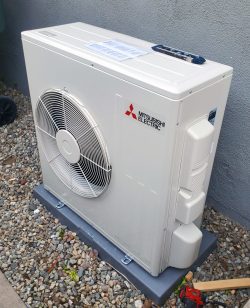
SEER2 ratings now drive the baseline for efficiency. Systems from Daikin, Lennox, Carrier, Trane, Mitsubishi Electric, American Standard, Bryant, Rheem, York, and Goodman offer a wide range. Variable speed systems hold tighter temperatures during Burbank peaks. They use lower fan speeds during mild hours to save energy and control humidity. Ductless mini-split systems from Mitsubishi Electric or Daikin fit converted garages near Magnolia Park or media editing suites near Nickelodeon Animation Studio. They deliver zoned cooling without duct losses. Hybrid heating systems add a heat pump to handle shoulder seasons with less gas use.
For many homes, a matched coil and condenser with a variable speed air handler stabilizes comfort. It improves indoor air quality when used with proper MERV filters sized to the blower. Add a smart thermostat to smooth schedules. Integrate UV air purifiers if return plenum space allows and if the home has persistent biological growth. The gains are sharper in the Valley due to long cooling seasons and high solar load.
Design choices that pay off in Burbank zip codes
In 91505 and 91506, single-story ranch homes often have long duct runs under the floor. These benefit from sealing and insulating ducts to control radiant pickup. In 91501 and 91504, hillside lots see steeper roof pitches and hotter attics. A higher capacity condenser fan and real coil cleaning help manage head pressure. In 91502 and 91521, mixed-use and studio adjacencies create long run hours and night cooling needs. Variable speed compressors smooth load swings when sets power up or down.
Toluca Lake on the Burbank side sees older structures with tight closets. Air handlers need careful sizing to control noise and static pressure. A compact high-efficiency unit with a well-designed return path is worth the carpentry. In the Rancho District, historic homes with original ductwork often benefit from a ductless mini-split for a back room that never cools. In Downtown Burbank, top-floor condos with west-facing glass need solar gain control and a thermostat schedule that pre-cools before peak sun.
Green Planet Heating and Air has technicians near Warner Bros. Studios and Walt Disney Studios daily. That proximity helps with parts logistics and rapid response. The team covers Glendale, North Hollywood, Sun Valley, Pasadena, and the Toluca Lake border as well. The service area matches real driving times and helps maintain reliable dispatch during a heat spike.
Indoor air quality under Valley stress
Closed windows and long run times increase indoor particulate levels. MERV filters protect coils and lungs, but they also raise static pressure as they load. The right match matters. A deep media filter can hold high MERV ratings without choking airflow. UV air purifiers help where biological growth appears on coils or drain pans. Whole-house fans can purge a home on cooler nights, but the system must be sealed during hot days to avoid pulling attic heat inside.
Burbank homes near major corridors like the I-5 and the 134 sit in air that carries fine particles. IAQ testing shows the gain from better filtration. The right target depends on allergies, pets, and lifestyle. A technician can measure pressure drop across the filter and recommend changes. Many clients like the balance of a MERV 11 to MERV 13 filter with a variable speed blower. That setup keeps airflow steady and noise low.
Smarter control with stable schedules
Smart thermostats help in the Valley when programmed with steady targets. Big swings stress the compressor and do not save much during a heatwave. A moderate setback at night works. A pre-cool before peak sun works better. In Burbank condos near Magnolia Park, slight offsets across rooms can help balance without overdriving a single zone. In studio support spaces near the Media District, lockouts prevent manual overrides that cause short cycling.
Thermostat integration also makes service faster. Usage and fault histories help technicians trace short cycling or high head pressure to time-of-day patterns. That data points to solar load, not a control board. It keeps parts spending rational.
A plain talk section on parts and why they matter
Compressors dislike heat and low refrigerant charge. They draw high amps and trip on safety when head pressure spikes. Condenser coils must shed heat. Dirt and lint block that process. Blower motors move air across the evaporator coil. Weak motors starve the coil and invite freeze-ups. Expansion valves meter refrigerant. A stuck valve ruins superheat targets. Heat exchangers sit on the heating side, but damage there still matters during AC season because a cracked exchanger can cause unsafe conditions when the system cycles between modes. Air handlers house the blower and coil and set the stage for airflow. Ductwork moves cooled air. Poor design steals capacity.
Technicians at Green Planet diagnose from the symptom to the part. They fix refrigerant leaks instead of refilling every summer. They replace faulty capacitors before they explode. They test contactors and tighten electrical connections. They clean coils and confirm drain function. They tune expansion valves and set charge to match SEER2 targets. They pair correct MERV filters to airflow and check static pressure. It is methodical and it works.
Brand experience and why it helps during a heat spike
Each brand has quirks. Carrier and Trane boards report certain codes. Lennox and Daikin variable speed systems need precise setup to avoid nuisance trips. Mitsubishi Electric ductless mini-splits demand clean condensate routing or they leak when humidity rises. American Standard, Bryant, Rheem, York, and Goodman each have part families that stock better in some Los Angeles County warehouses than others.
Green Planet services all major manufacturers and keeps common accessories on hand. That includes start kits, universal capacitors, condenser fan motors, and thermostats. For ductless systems, the team stocks line set covers and wall brackets that fit Burbank wall types. For central systems, they maintain access to matched coil and condenser pairs that meet SEER2. This cuts downtime. It helps hold manufacturer warranties. It keeps installs clean and quiet.
Common Burbank symptoms and quick context
Clients describe similar problems across 915 zip codes. Here are direct translations to likely causes. These are not final diagnoses. They guide fast action and honest scope.
- Poor airflow: Often a clogged filter or high static pressure in older ductwork across Magnolia Park and the Rancho District.
- Constant cycling: Oversized unit, faulty thermostat, or a refrigerant charge issue that prevents coil stability.
- Strange odors: Musty smell from biological growth on the evaporator coil or in a wet drain pan and condensate line.
- Uneven cooling: Duct leakage, bad balancing, or a room with high glass exposure in Burbank Hills or Downtown Burbank.
- High bills: Dirty condenser coil, weak compressor, or a mismatched system that fails to reach SEER2 performance.
Fast inspection confirms which part failed. Simple fixes happen on the spot. Bigger items get quoted with parts timelines and options. That clarity matters during a heatwave.
Load, duct, and equipment sizing that fits Burbank
Correct sizing starts with a Manual J load calculation. The Valley heat, the orientation of the home, window types, and insulation levels shape the result. Many Burbank homes have old ducts that cannot handle high airflow. A Manual D duct design shows where friction kills performance. A Manual S selection aligns the equipment to those constraints and to SEER2 goals.
Variable speed systems help in mixed-use properties near the Media District. They modulate to control temperature during partial load hours. Ductless mini-split systems solve hot spots in converted garages near Magnolia Park retail blocks. Central systems fit most family homes and townhouses in 91504 and 91505. For hybrid heating, a heat pump covers spring and fall. The furnace and heat exchanger kick in during rare cold snaps.
Green Planet explains trade-offs in plain terms. A larger tonnage is not always better. Extra capacity lowers run time and can leave humidity high. That feels sticky and wastes energy. Correct airflow with proper static pressure and balanced ducts beats raw size every time.
Energy strategy for the Media Capital of the World
Burbank’s identity as the Media Capital of the World shapes use patterns. Homes near Walt Disney Studios or Warner Bros. Often have odd schedules. A variable speed system maps well to those shifts. Smart thermostats with geofencing help smooth sudden load changes when occupants come and go at off hours. UV air purifiers control growth in systems that cycle due to overnight shoots or early call times. Whole-house fans purge heat at 2 a.m. When the Delta breeze cools Pasadena and drifts into the Valley, but seal up by 9 a.m. To hold gains.
On the commercial support side, editing rooms load heat from electronics. Ductless mini-splits create zones without overcooling spaces that sit empty half the day. Central systems with variable speed blowers maintain stable noise levels for audio work. Filters with proper MERV ratings capture particles without choking return air during long render sessions.
Local service that aligns with real Burbank geography
Response time and parts access matter as much as tools. Green Planet Heating and Air stages teams near Hollywood Burbank Airport for quick access along the 5 and 134. Crews move between Glendale, North Hollywood, Sun Valley, Pasadena, Toluca Lake, and across Burbank neighborhoods without delay. The team knows where street parking slows service and plans accordingly. Apartments in Downtown Burbank need elevator time booked. Homes near Woodbury University may need early arrivals before campus traffic builds. Field leads adjust routes based on studio events that change street access around Warner Bros. And the Walt Disney lot.
Zip code coverage includes 91501, 91502, 91504, 91505, 91506, and 91521. That signal matters for dispatch, but it also matches real heat patterns seen on service logs. Late-day peaks hit 91505 and 91506 hard due to long sun exposure on single-story footprints. 91501 and 91504 show higher attic temps due to hillside exposure. 91502 and 91521 present mixed demands from residential and studio-adjacent spaces.
Eco-friendly and budget-aware choices
Energy Star-rated systems cut consumption across long Valley summers. A Daikin variable-speed system or a Lennox high-efficiency model can lower bills significantly in peak months. Smart thermostats help trim without micromanagement. Sealed and insulated ducts lock in gains. Filter changes protect coils and maintain SEER2 performance.
Green Planet focuses on eco-friendly HVAC solutions that fit actual homes. That means options at different price points, with clear payback windows. It also means honest advice. If the compressor still performs and the coil is clean, a deep service and a thermostat upgrade may deliver most of the benefit for a given year. If the unit is old, noisy, and leaks refrigerant, an installation with proper load sizing is the better spend.
Stories from recent Burbank calls
A Magnolia Park homeowner reported uneven cooling and a loud return. Static pressure measured high due to a restrictive MERV 16 filter in a one-inch slot. The solution used a deep media cabinet with a MERV 13 filter and a blower speed adjustment. Noise dropped and airflow improved. Energy use fell during the next heatwave.
Near the Rancho District, a family had warm air during late afternoons. The condenser coil was packed with dust from a nearby alley. After a full coil cleaning and a charge correction verified by subcooling targets, supply air temps fell into range. Run time shortened, and the compressor amperage dropped against the nameplate.
In the Media District, a small production suite faced hot spots around editing bays. A Mitsubishi Electric ductless mini-split zone added targeted cooling without duct reconstruction. The main central system ran steadier, and the zone stayed quiet for audio work.
Trust and compliance without the sales push
Green Planet technicians hold NATE certification. They carry EPA 608 credentials and follow refrigerant rules. The company is licensed and insured under CSLB requirements. The team maintains Energy Star Partner standards in installation and verification. The service desk provides 24/7 emergency AC service during heat spikes across Burbank, CA and neighboring areas. Quotes are clear. Photos and measurements back each recommendation.
What to book and when to book it
For homeowners who want stability before the heat, the Burbank Seasonal Tune-Up Special is the right start. It includes condenser coil cleaning, capacitor and contactor testing, refrigerant charge verification, static pressure measurement, and condensate service. For systems that show symptoms like short cycling, frozen evaporator coils, or unusual HVAC noises, schedule a diagnostic visit. That route points directly to the failed part and the fastest repair path.
For older systems near end-of-life or for remodels in Burbank Hills and Toluca Lake, request a load calculation and a system design session. Review options that include central air conditioners, variable speed systems, ductless mini-split systems, hybrid heating systems, and smart thermostats. Discuss indoor air quality upgrades such as UV air purifiers and appropriate MERV filters. Confirm SEER2 targets and warranty details for brands like Carrier, Lennox, Trane, Daikin, Mitsubishi Electric, American Standard, Bryant, Rheem, York, and Goodman.
Clear signals for Google’s local map pack and for real people
Green Planet Heating and Air serves Burbank, CA within Los Angeles County. The company supports the 91501, 91502, 91504, 91505, 91506, and 91521 zip codes. Technicians reach Magnolia Park, the Rancho District, Burbank Hills, the Media District, Toluca Lake on the Burbank side, and Downtown Burbank fast from the Hollywood Burbank Airport corridor. Nearby coverage extends across Glendale, North Hollywood, Sun Valley, and Pasadena. Calls from addresses near Warner Bros. Studios, Walt Disney Studios, Nickelodeon Animation Studio, Stough Canyon Nature Center, and Woodbury University receive standard response times. Air conditioning service Burbank searches connect directly to the dispatch team that knows this map and its heat patterns.
https://green-planet-heating-air.b-cdn.net/burbank/air-conditioning-service.html
Green Planet Heating and Air
| Monday | Open 24 hours |
| Tuesday | Open 24 hours |
| Wednesday | Open 24 hours |
| Thursday | Open 24 hours |
| Friday | Open 24 hours |
| Saturday | Closed |
| Sunday | Open 24 hours |